Optomap Retinal Imaging in Madison, OH
See more. Detect more. Protect more
At North Coast Optical, we use Optomap® ultra-widefield imaging to evaluate the health of your retina—often without dilation—allowing us to detect eye and systemic conditions early.
What Is Optomap?
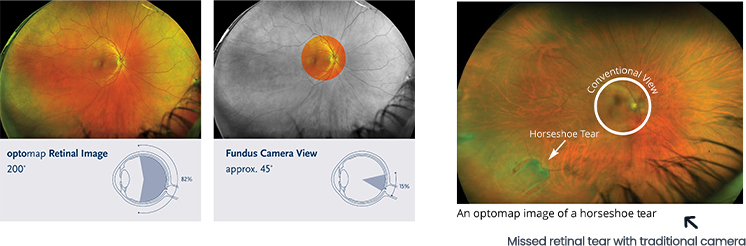
Optomap is an advanced imaging system that captures a widefield view of your retina—up to 80% of the retina in a single image. Optomap is a fast, painless image suitable for all ages and takes less than 5 seconds to capture.
With Optomap, we can see significantly more of the eye in greater detail. A traditional retinal exam typically shows only a small portion of the retina at one time.
Why This Matters
Many eye and health conditions develop without symptoms in their early stages.
By seeing more of the retina, we can:
Detect both eye diseases AND other health problems earlier (see below)
Monitor subtle changes over time
Reduce the risk of vision loss
Common Health Conditions We Can Detect
In addition to systemic health findings, retinal imaging plays a critical role in detecting and monitoring common eye diseases that can affect vision.
Your eyes don’t just show eye health—they can reveal signs of systemic disease throughout the body.
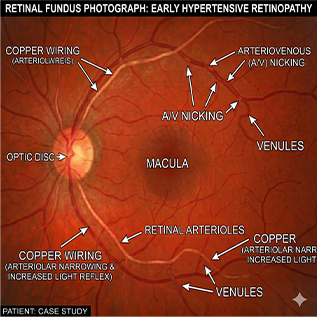
Hypertensive (Blood Pressure) Changes
High blood pressure can cause visible changes in the retinal blood vessels.
We look for:
Narrowing of arteries
AV nicking
Retinal hemorrhages
These findings can indicate long-standing or poorly controlled vascular diseases.
Choroidal Melanoma
This is a rare but serious form of eye cancer that develops in the retina or can spread to the retina.
Optomap allows us to:
Detect suspicious lesions early, before other symptoms start.
Monitor for changes over time
Early detection is critical for successful treatment.
Retinal Emboli (Blood Clot)
Small cholesterol or calcium plaques can become lodged in retinal vessels without symptoms.
These may be a warning sign of:
Carotid artery disease
Increased risk of stroke
***Early detection can be life-saving***
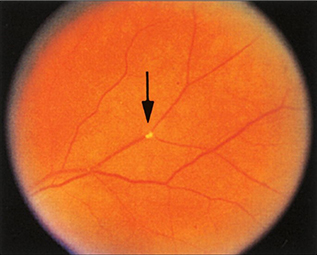
Neurological Conditions
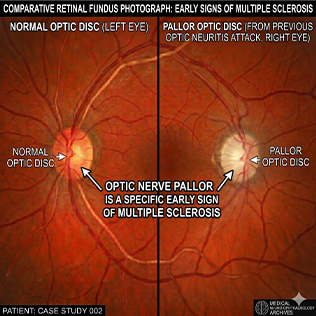
The optic nerve can reveal signs of neurological disease and even lead to initial diagnosis.
Examples include:
Optic nerve pallor following optic neuritis
Changes associated with multiple sclerosis (MS)
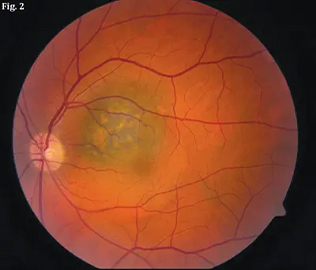
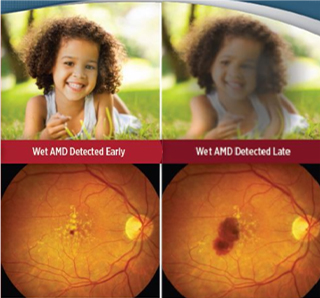
Macular Degeneration (AMD)
Macular degeneration affects the central part of your vision and is one of the leading causes of vision loss.
We can detect:
Early pigment changes
Retinal deposits and atrophy
Signs of progression over time
Early detection allows for closer monitorin and timely treatment when needed.
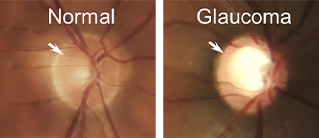
Glaucoma (Silent Vision Loss)
Glaucoma is often called the “silent thief of sight” because it typically has no early symptoms. While glaucoma primarily affects the optic nerve, retinal imaging allows us to:
Evaluate optic nerve appearance
Monitor for structural changes
Compare progression over time
Many patients do not realize they have glaucoma until permanent vision loss has already occurred—making early detection critical.
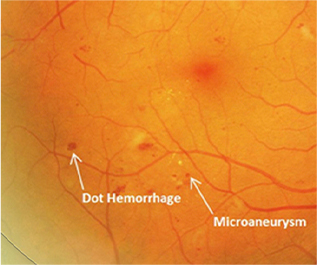
Diabetic Retinopathy
Changes in the retina can be one of the earliest signs of diabetes-related damage important in monitoring control, as well as leading to initial diagnosis.
We can detect:
Microaneurysms
Hemorrhages
Fluid leakage
Early detection helps prevent vision loss and supports better overall disease management.
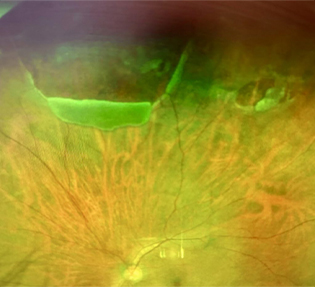
Retinal Holes and Tears.
Widefield imaging helps identify:
Peripheral retinal tears
Areas at risk for detachment
These can often occur without warning symptoms
Your Eye Exam Is More Than Just Vision
A comprehensive eye exam is not just about glasses or contacts. It is one of the few ways to directly observe blood vessels and nerves in the body without surgery.
This makes it a powerful tool for detecting:
Cardiovascular disease
Neurological conditions
Systemic health issues
Why Yearly Exams Matter
Many of these conditions:
Develop slowly
Show no early symptoms
Can worsen without you noticing
Annual exams allow us to:
Track changes over time
Detect disease early
Protect both your vision and overall health
Coordinate with your PCP any abnormalities.
Advanced Eye Care in Madison, OH
At North Coast Optical, we combine advanced imaging technology with thorough, individualized care to ensure nothing is missed.
Schedule Your Eye Exam
Even if your vision seems fine, your eye health—and overall health—may tell a different story.
Schedule your comprehensive eye exam today
Quick Links
Helpful Articles
article_category: general
article_category: exotic
article_category: contact lenses
article_category: services
article_category: cosmetic
article_category: psychiatry
article_category: Aesthetics
article_category: eye surgery co-management
article_category: eyeglasses
article_category: surgical procedures
article_category: health
article_category: technology
article_category: dogs
article_category: restorative
article_category: large animal
article_category: products
article_category: ocular disease management
article_category: preventative
article_category: cats
article_category: eye health
article_category: conditions
article_category: FAQ & tips
[]
article_category: exotic
article_category: contact lenses
article_category: services
article_category: cosmetic
article_category: psychiatry
article_category: Aesthetics
article_category: eye surgery co-management
article_category: eyeglasses
article_category: surgical procedures
article_category: health
article_category: technology
article_category: dogs
article_category: restorative
article_category: large animal
article_category: products
article_category: ocular disease management
article_category: preventative
article_category: cats
article_category: eye health
article_category: conditions
article_category: FAQ & tips
[]
Flowbite is an open-source library of interactive components built on top of Tailwind CSS including buttons, dropdowns, modals, navbars, and more.
Check out this guide to learn how to get started and start developing websites even faster with components on top of Tailwind CSS.

All Eyecare Services
We offer a wide variety of eye care services to the Madison community. Contact us with any questions about our services.

Keep In Touch
For non-urgent questions or to learn more about our services, contact us today!
© 2026 North Coast Optical . All rights Reserved - Accessibility Statement - Privacy Policy - Sitemap
Managed and Designed by 