Glaucoma Evaluation & Management in Madison, OH
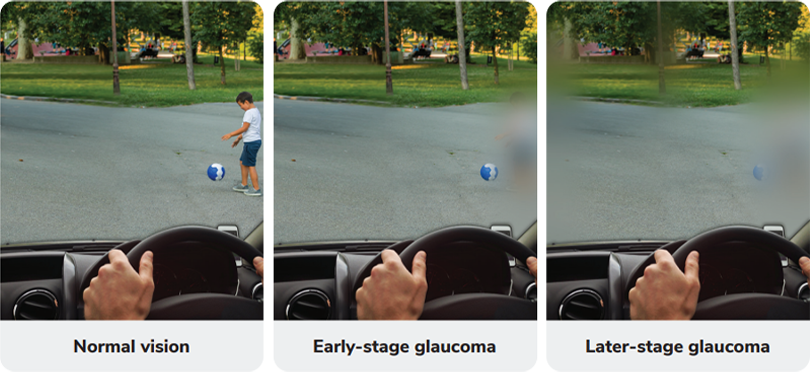
Glaucoma is a condition that damages the optic nerve and can lead to permanent vision loss if not properly managed. Glaucoma can take as much as 40% of vision without a person noticing.
At North Coast Optical, our goal is early detection and careful monitoring—so we can protect your vision for the long term.
What Is Glaucoma?
Glaucoma affects the optic nerve and leads to gradual, irreversible vision loss.
Can occur even with normal eye pressure
Vision loss is permanent
Commonly develops slowly over time
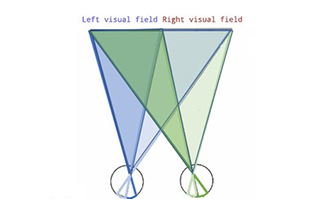
Often goes unnoticed due to overlap between eyes (see photo right →)
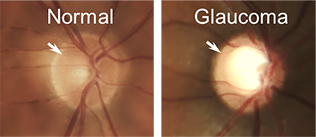
What makes you suspicious of glaucoma during your yearly exam?
Enlarged optic nerves or asymmetric optic nerve head appearance
Intraocular pressure 21 or higher or asymmetric pressure readings
Narrow drainage channels
Optic nerve hemorrhage
Common Types of Glaucoma
There are many different types of glaucoma, but most fall into a few common categories:
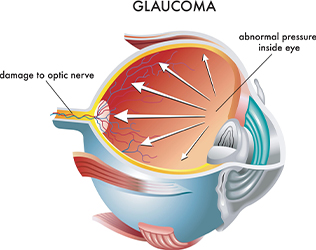
Primary Open-Angle Glaucoma (High Pressure)
The most common form of glaucoma.
Eye pressure is elevated
Over time, this pressure damages the optic nerve
👉 Often develops slowly and without symptoms
Normal Tension Glaucoma
Glaucoma can occur even when eye pressure appears “normal.”
Pressure may fall within a normal range, making glaucoma easy to miss—this is why yearly exams are essential for detecting changes early.
But is still too high for that individual eye
👉 This is why pressure alone does not determine risk
Narrow Angle Glaucoma
Caused by the natural shape of the eye, where the drainage angle is smaller or more crowded and fluid cannot drain properly. *It can happen at any age*
👉 In some cases, this can lead to sudden and significant increases in eye pressure, making early detection very important.
👉 This form of glaucoma is associated with medication warnings since they slightly dilate the pupils, which can close-off the drainage channel, leading to an immediate rise in eye pressure.
Steroid-Induced Glaucoma
Long-term use of steroid medications can increase eye pressure.
Can occur with eye drops, oral medications, or injections
May develop gradually with continued use
Pigment Dispersion Syndrome
Pigment from the colored part of the eye (iris) can rub off and circulate inside the eye.
This pigment can clog the drainage system (like bad plumbing)
Leads to increased eye pressure over time
Risk Factors for Glaucoma
You may be at higher risk if you have:
Family history of glaucoma (siblings, parents, grandparents)
Over the age of 40
Elevated eye pressure
Previous eye trauma
Diabetes and high blood pressure
Long-term steroid use
- Certain eye anatomy: very nearsighted or farsighted
👉 Even without these risk factors (there are many more), glaucoma can still develop.
How We Test for Glaucoma
At our office, we use multiple tests to evaluate both the structure and function of the optic nerve.
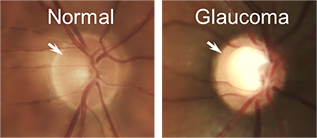
Optomap Retinal Imaging
Allows us to take detailed images of the optic nerve and monitor changes in its appearance over time.
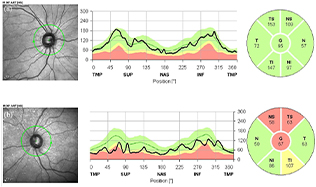
Optic Nerve OCT
A highly detailed scan that measures the thickness of the optic nerve.
Analyzes thickness in clock-hour segments to detect areas of thinning
Detects early thinning BEFORE vision loss occurs
Tracks progression over time accurately, rather than guessing off appearance year after year
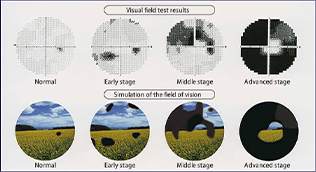
Visual Field Testing
Detects subtle vision loss you may not realize
Performed using a virtual headset system
More comfortable and faster than traditional testing
Tracks progression over time
Gonioscopy
Evaluates the drainage angle of the eye. Poor drainage is like bad plumbing, pressure increases when it has nowhere to go.
👉 Helps determine whether fluid can properly exit the eye and identifies risk for sudden pressure changes.
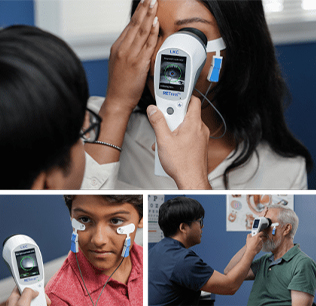
Electroretinography (ERG)
A test that evaluates how well the optic nerve cells are functioning that does not rely on being a “good or bad test taker.”
👉 Helps detect dysfunction even before structural damage becomes obvious.
Pachymetry (Corneal Thickness)
Measures the thickness of your cornea.
👉 Thicker corneas are more protective, while thinner corneas are more susceptible to damage and pressure changes.
Treatment Options for Glaucoma
There is no cure for glaucoma, but early treatment can significantly slow progression and help preserve your vision.
👉 The goal of all treatments is the same:
Lower eye pressure and improve fluid drainage to protect the optic nerve, and slow progression.
Eye Drops (Most Common Treatment)
For many patients, glaucoma is successfully managed with prescription eye drops.
Lower eye pressure
Reduce risk of progression
Non-invasive and effective
👉 Consistency is critical—treatment only works if used as prescribed.
Laser Treatments
Quick, in-office procedures that help improve fluid drainage.
Often used when drops are not enough
Can reduce or eliminate the need for medications in some cases
Surgical Options
For more advanced or difficult-to-control cases, surgical options may be recommended.
These include:
Minimally invasive glaucoma surgery (MIGS)
Implantable drainage devices (shunts)
👉 These procedures are designed to improve long-term pressure control.
The Most Important Factor: Compliance
The most important part of glaucoma treatment is staying consistent with your care plan.
Whether it’s drops, follow-ups, or procedures:
👉 Consistency prevents further damage and protects your vision.
📅 Schedule an Evaluation
Glaucoma damage cannot be reversed—but early detection can save your vision
Quick Links
Helpful Articles
article_category: general
article_category: exotic
article_category: contact lenses
article_category: services
article_category: cosmetic
article_category: psychiatry
article_category: Aesthetics
article_category: eye surgery co-management
article_category: eyeglasses
article_category: surgical procedures
article_category: health
article_category: technology
article_category: dogs
article_category: restorative
article_category: large animal
article_category: products
article_category: ocular disease management
article_category: preventative
article_category: cats
article_category: eye health
article_category: conditions
article_category: FAQ & tips
[]
article_category: exotic
article_category: contact lenses
article_category: services
article_category: cosmetic
article_category: psychiatry
article_category: Aesthetics
article_category: eye surgery co-management
article_category: eyeglasses
article_category: surgical procedures
article_category: health
article_category: technology
article_category: dogs
article_category: restorative
article_category: large animal
article_category: products
article_category: ocular disease management
article_category: preventative
article_category: cats
article_category: eye health
article_category: conditions
article_category: FAQ & tips
[]
Flowbite is an open-source library of interactive components built on top of Tailwind CSS including buttons, dropdowns, modals, navbars, and more.
Check out this guide to learn how to get started and start developing websites even faster with components on top of Tailwind CSS.

All Eyecare Services
We offer a wide variety of eye care services to the Madison community. Contact us with any questions about our services.

Keep In Touch
For non-urgent questions or to learn more about our services, contact us today!
© 2026 North Coast Optical . All rights Reserved - Accessibility Statement - Privacy Policy - Sitemap
Managed and Designed by 