Macular Degeneration
Macular Degeneration Evaluation & Monitoring in Madison, OH
At North Coast Optical, our goal is early detection and careful monitoring—so we can help protect your central vision for the long term.
Many patients do not notice symptoms in the early stages, which is why yearly eye exams are essential. Especially considering macular degeneration is one of the leading causes of vision loss in adults over 50.
What Is Macular Degeneration?
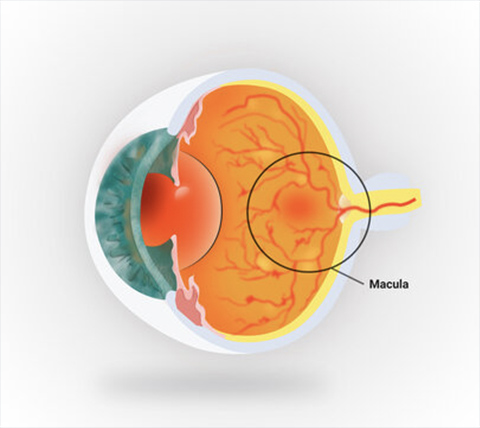
Macular degeneration, also called Age-Related Macular Degeneration (AMD), affects the macula—the central part of the retina responsible for sharp, detailed vision.
When the macula fails to function properly, everyday activities such as reading, driving, and recognizing faces can become difficult.
AMD usually develops gradually over time and often affects both eyes. AMD can lead to loss of central vision and permanent vision loss.
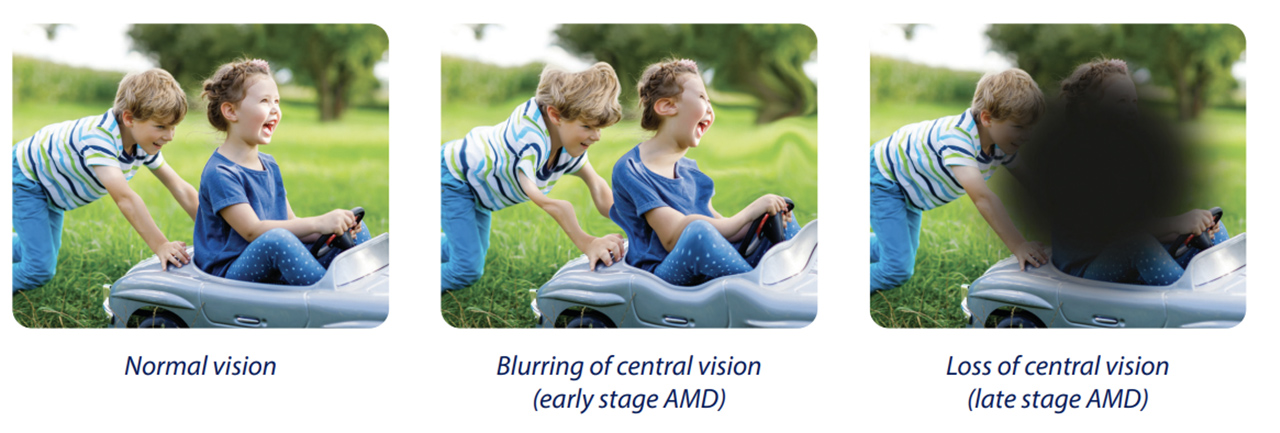
*Peripheral (side) vision is typically preserved, but central vision can become blurred, distorted, or darkened.
Common Types of Macular Degeneration
There are two primary forms of macular degeneration:
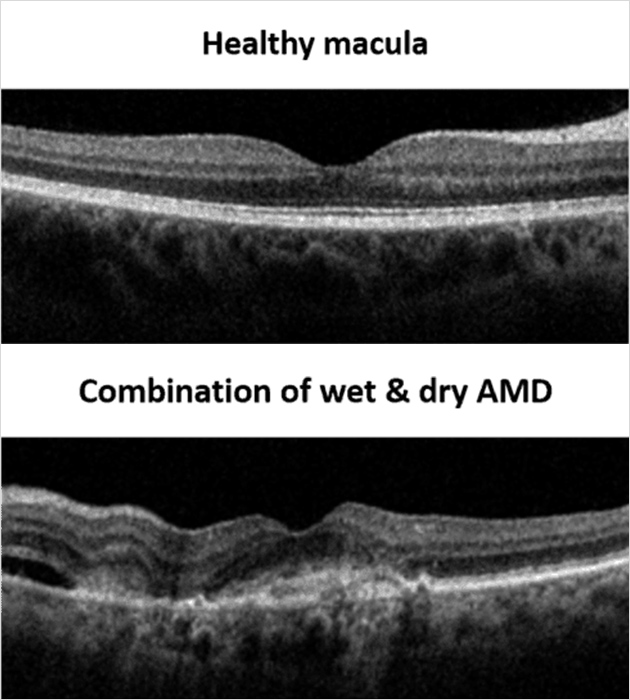
1.) Dry Macular Degeneration (Most Common)
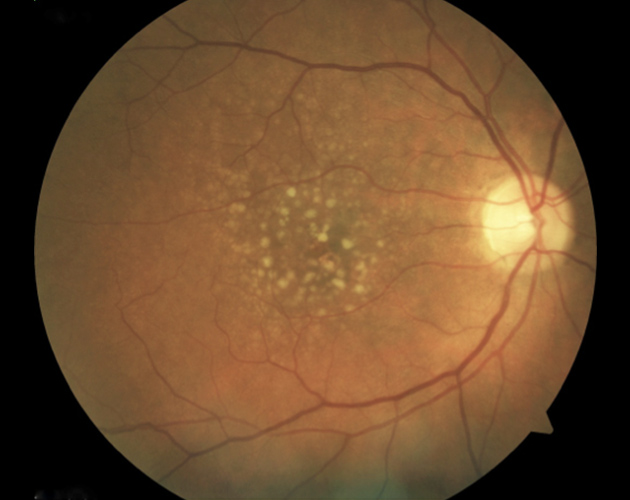
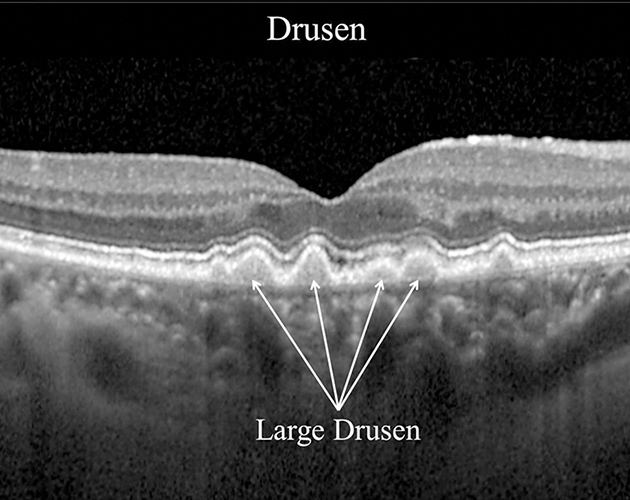
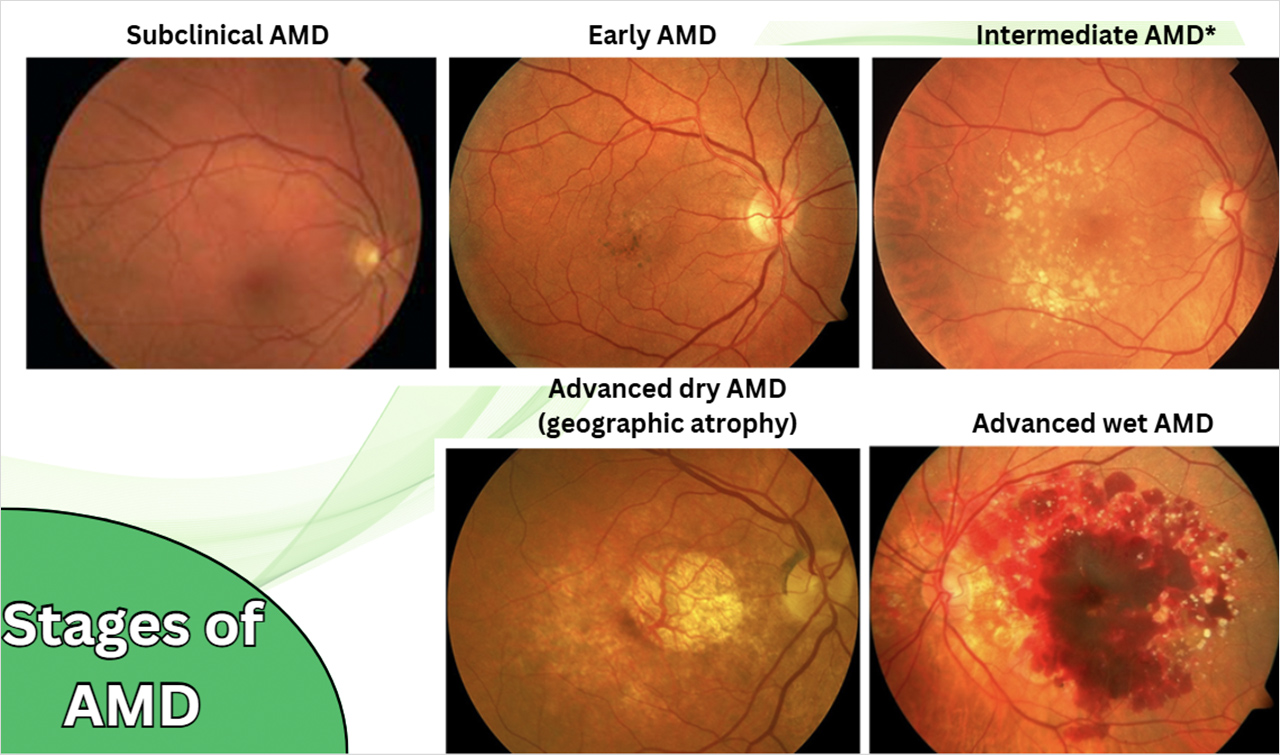
Dry AMD is the most common form and develops gradually over time.
It is associated with:
Retinal thinning and gradual loss of retinal cells
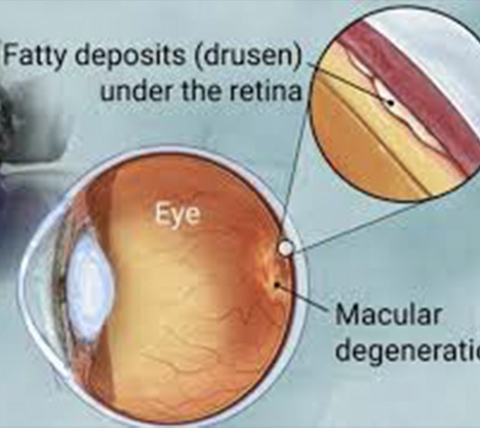
Drusen (yellow) deposits beneath the retina
Slow changes in central vision
*Early dry AMD may have little to no noticeable symptoms.
2.) Wet Macular Degeneration
Wet AMD is less common but more serious and can cause rapid vision loss.
This occurs when abnormal blood vessels grow beneath the retina and leak:
Blood
Fluid
Scar tissue
Symptoms may include:
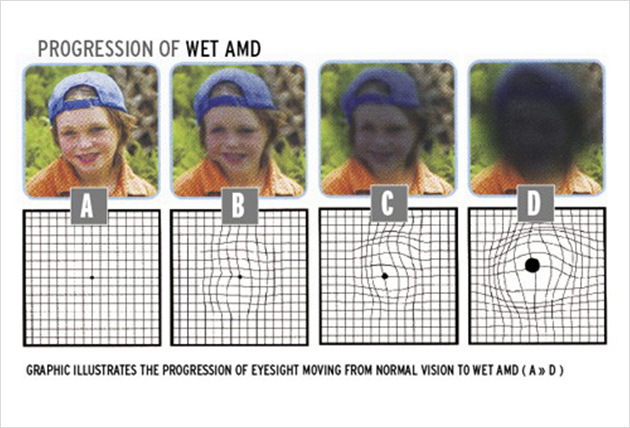
Sudden blurry vision
Distorted straight lines
Dark or missing central vision areas
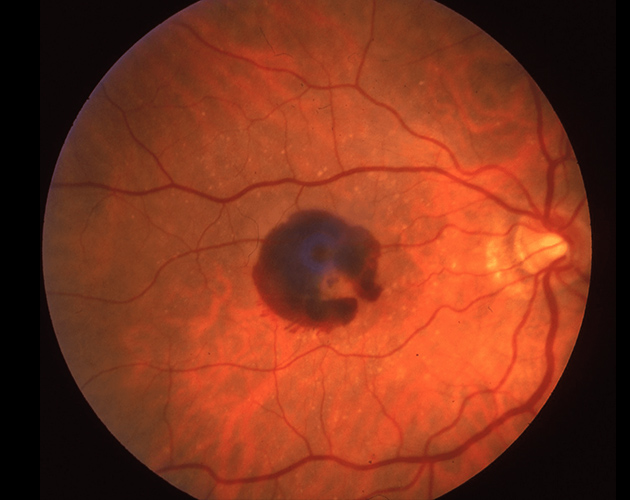
*Early detection and treatment are extremely important for preserving vision as this can lead to permanent, severely reduced vision affecting daily life.
Stages of Macular Degeneration
Symptoms of Macular Degeneration
Macular degeneration may begin without noticeable symptoms. **Even at the intermediate stage of AMD, you can still have 20/20 vision**
As the condition progresses, patients may notice:

DISTORTED OR WAVY VISION:
Straight lines (like door frames or words on a page) appear wavy.

CENTRAL BLURRINESS
A "smudge" or dark area in the center of the visual field.

READING DIFFICULTY
Struggling with small print even while wearing glasses.

NIGHT VISION ISSUES
Decreased vision in darkness or low lighting.
GLARE SENSITIVITY
Increased difficulty with bright lights.
*Some patients notice changes in one eye only at first because the stronger eye compensates.
Risk Factors for Macular Degeneration
Several genetic and environmental factors increase the risk of developing AMD:
Age: Being over 50 years old.
Genetics: A family history of the condition.
Lifestyle: Smoking and a diet high in saturated fats.
Systemic Health: High blood pressure or heart disease.
Skin Tone: More common in caucasian.

*Even patients without major risk factors can still develop macular degeneration.
How We Test for Macular Degeneration
Because early AMD often has no symptoms, regular eye exams are essential for protection. At North Coast Optical, we utilize advanced diagnostic tools to monitor your eye health.
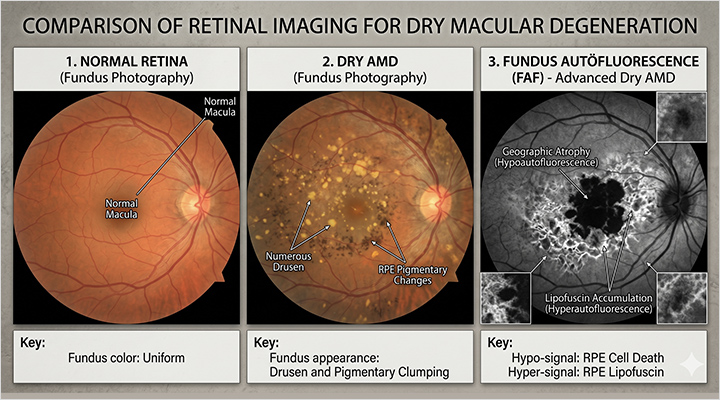
OPTOMAP RETINAL IMAGING
Optomap Retinal Imaging Widefield retinal imaging allows us to photograph the retina in high detail and see different layers of the retina.
This helps us:
Retinal imaging allows for direct comparison of changes year after year.
Detect drusen deposits
Identify bleeding or retinal abnormalities
Document progression accurately
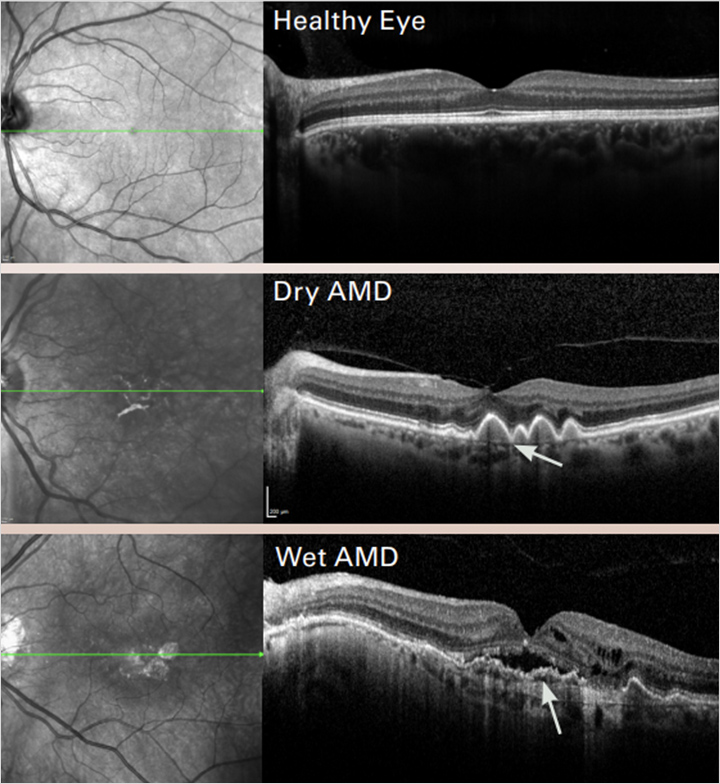
OPTICAL COHERENCE TOMOGRAPHY (OCT)
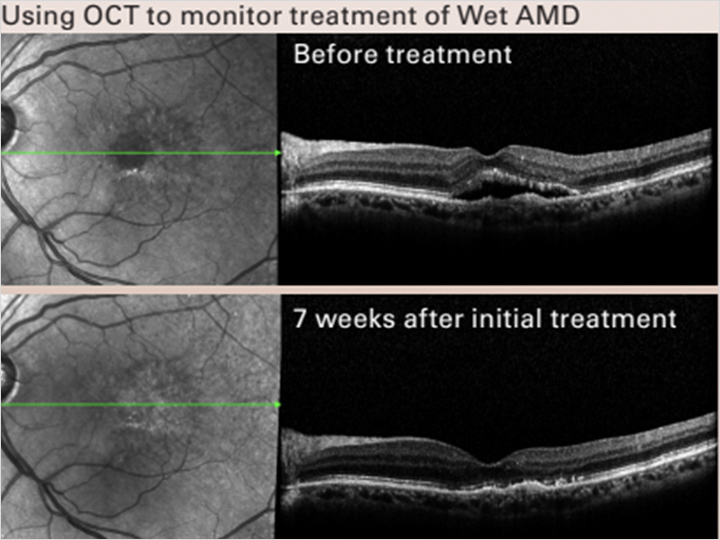
OCT is one of the most important tools for diagnosing and monitoring macular degeneration, also confirming dry vs. wet AMD.
This detailed retinal scan allows us to:
View cross-sectional layers of the retina
Detect fluid beneath the retina
Identify retinal swelling
Monitor retinal thinning and atrophy
Detect early wet AMD changes
*OCT can identify microscopic retinal changes before noticeable vision loss occurs.
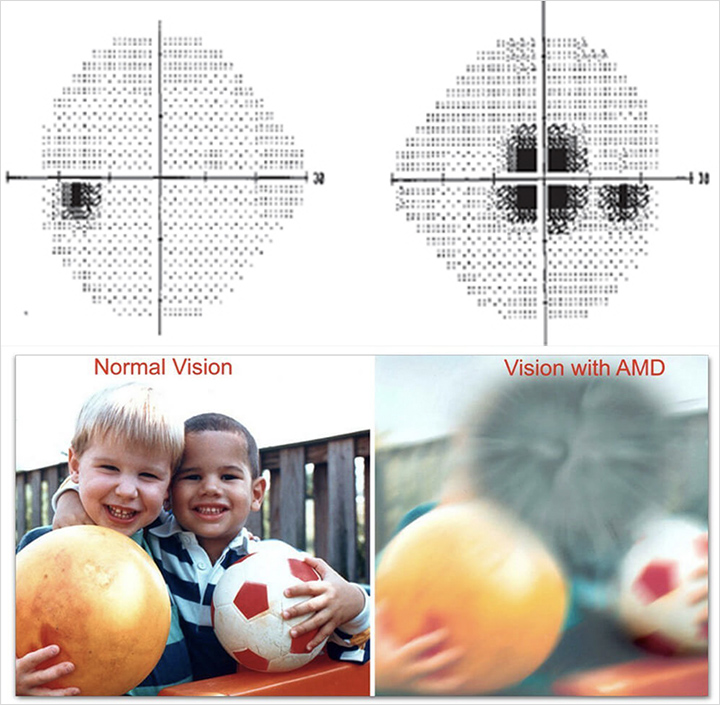
VISUAL FIELD
A Visual Field 10-2 test is a specialized functional test used to measure the sensitivity of your vision. Since macular degeneration primarily affects central vision, this test helps detect:
Central vision loss
Blind spots (scotomas) caused by macular damage
Reduced retinal sensitivity in the macula
Progression of dry or wet macular degeneration
Early functional changes before vision symptoms become severe
Assess Daily Impact: The findings directly relate to the challenges patients face in daily life.
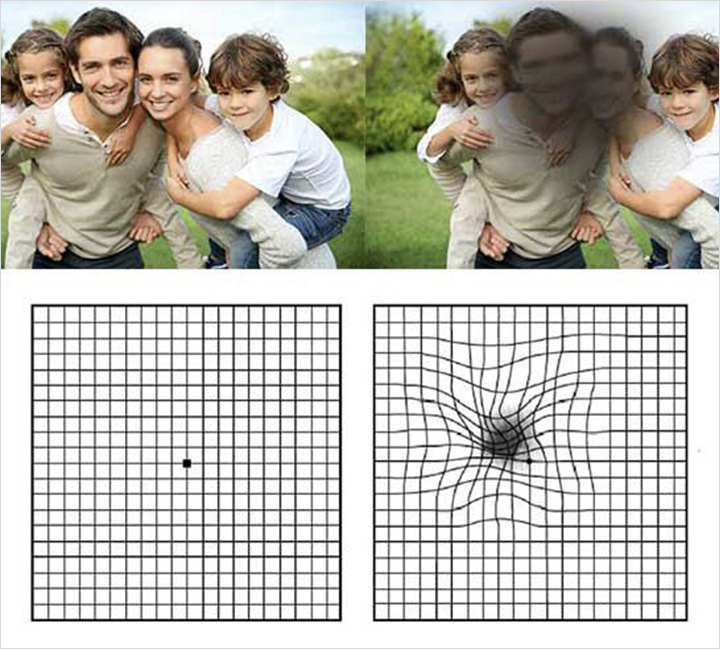
AMSLER GRID TESTING
An Amsler Grid is a simple visual tool used to monitor central vision distortion at home.
Patients with AMD may notice:
Wavy lines
Missing areas
Distorted central vision
*This can help patients detect sudden changes at home that require immediate attention.
Treatment Options for Macular Degeneration
There is currently no cure for macular degeneration, but early treatment and monitoring can significantly help preserve vision.The goal of treatment is to slow progression and protect healthy retinal tissue.

LIFESTYLE & NUTRITIONAL SUPPORT
Certain lifestyle choices may help reduce progression risk.
Nutritional Supplements: Formulas like MacuHealth contain triple carotenoids that may reduce the risk of advanced AMD by 25–30%.
Mediterranean Diet: A diet rich in fruits, vegetables, legumes, and fish can reduce the risk of advanced AMD by up to 41%.
UV Protection: Wearing sunglasses to block blue light and UV rays.
Smoking Cessation: Stopping smoking is one of the most impactful changes you can make for your retinal health. Smoking has been shown to speed up progression of AMD.
*Proper nutrition and monitoring play an important role in long-term retinal health and overall systemic health.
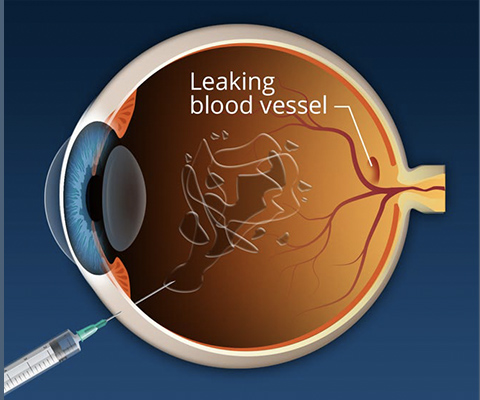
INJECTIONS FOR WET AMD
Wet macular degeneration is commonly treated with specialized retinal injections that help reduce abnormal blood vessel growth and fluid leakage.
These treatments:
Help stabilize vision
May improve vision in some cases
Require ongoing monitoring and follow-up
*Early treatment offers the best chance of preserving vision.
Why Yearly Eye Exams Matter
Macular degeneration often develops slowly and without pain. Regular eye exams allow us to:
Detect disease early
Monitor subtle retinal changes
Begin treatment sooner
Protect long-term vision
*Many patients do not realize they have AMD until vision changes have already occurred.
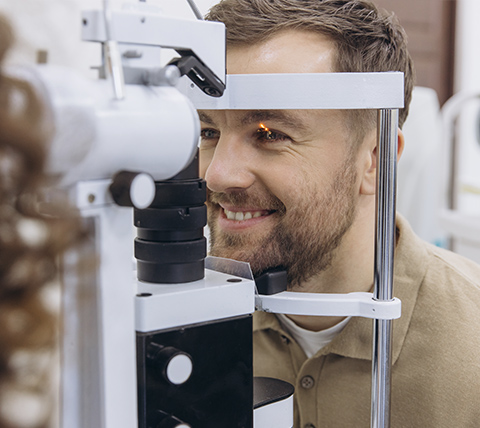
Advanced Macular Degeneration Care in Madison, OH
At North Coast Optical, we combine advanced retinal imaging technology with personalized eye care to help detect and monitor macular degeneration as early as possible.
Schedule a Macular Degeneration Evaluation
Early detection is one of the most important factors in preserving your vision. Schedule your comprehensive eye exam today to monitor your retinal health and protect your sight for the future.© 2026 North Coast Optical . All rights Reserved - Accessibility Statement - Privacy Policy - Sitemap
Managed and Designed by 