Dry Eye Treatment in Madison, OH
Dry eye can have a major impact on your quality of life, and symptoms are often more complex than they seem.
Have you ever driven home from work and noticed your vision is not as clear as wher you drove in? Or perhaps after reading, you look up and need to blink a few times to clear things up?
One of the most common symptoms of dry eye is fluctuating or inconsistent vision throughout the day.
Our goal is to identify the root cause and create a personalized treatment plan so you get real, lasting relief.
What Is Dry Eye Disease (DED)?
Dry eye is a complex condition caused by insufficient tear production, poor tear quality, or excessive tear evaporation.
It is a chronic and often progressive condition that can affect people of all ages and may worsen over time without proper treatment.
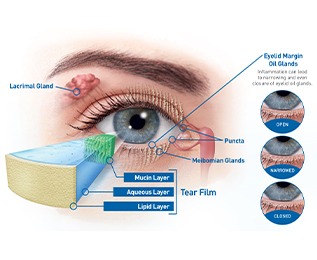
Common Symptoms of Dry Eye
Vision that fluctuates throughout the day
Eyes that water excessively or not at all
Symptoms that worsen with extended screen time or reading
Burning, irritation, or a gritty sensation
Light sensitivity
Reduced contact lens wearing time
Eye fatigue later in the day
Even if your eyes do not feel dry, you may still have dry eye disease.
What Causes Dry Eye or Worsens Symptoms?
Dry eye is rarely caused by just one issue. Arguably the biggest challenge with dry eye disease are the many factors that play a role in causing, contributing to, or aggravating dry eye. These include:
Medications
Antihistamines and decongestants (Allergies)
Antidepressants
Beta-blockers and diuretics (High Blood Pressure)
Hormonal medications and birth control
Acne medications
Pain relievers (Aspirin and Ibuprofen)
Glaucoma drops and preservative-based eye drops
Lifestyle and Environmental Factors
Extended screen use and reading, which reduce blink rate
Dry indoor heat, especially during winter
Contact lens wear or overwear
Dehydration
Medical and Systemic Conditions
Rheumatoid arthritis
Sjogren's syndrome
Lupus
Thyroid disease
Diabetes
Rosacea
Eye and Eyelid-Related Causes
Previous eye surgeries such as LASIK, PRK, and cataract surgery
Eyelids turned in or outward from the eye
Incomplete eyelid closure during sleep
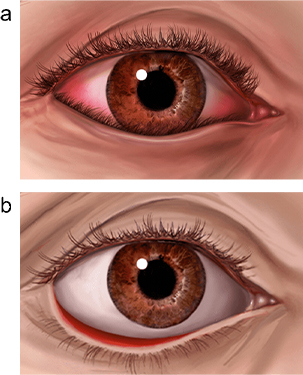
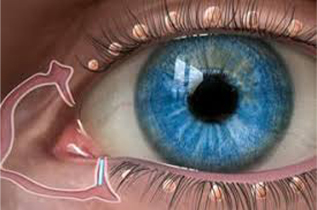
Meibomian Gland Dysfunction (MGD)
Contributes to nearly 90% of dry eye cases
Glands produce oil that prevents tear evaporation (keeps tears on the eye)
When blocked, oil becomes thick and difficult to express
tears evaporate too quickly
chronic symptoms with flare ups and possible infections
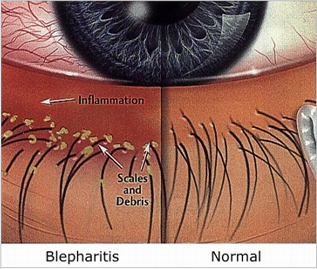
Eyelid Inflammation
Anterior blepharitis
These can prevent improvement-even when using artificial tears
Learn more about Demodex Blepharitis
What We Measure - And Why It Matters
A proper diagnosis is the key to effective treatment.
At our Madison, OH office, we perform a comprehensive dry eye evaluation to determine the exact cause of your symptoms.
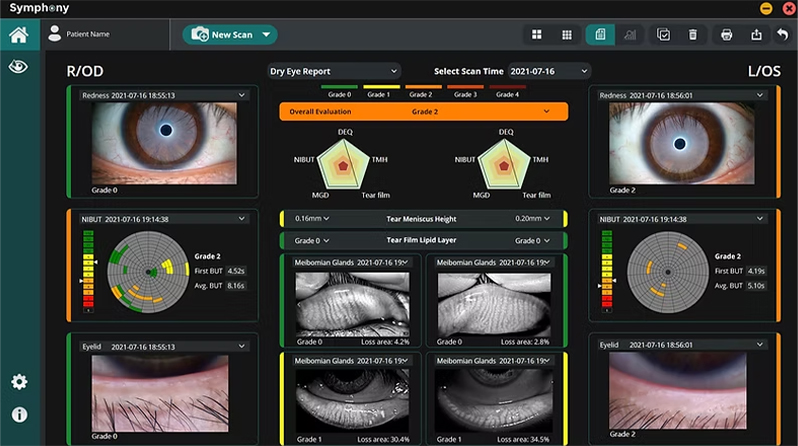
Tear Film Evaluation & Blink Rate
Determines if you are producing enough tears and how effectively they are distributed.
Tear Break-Up Time (TBUT)
Measures tear stability.
A low TBUT means your tears evaporate too quickly.
Meibomian Gland Assessment
Evaluates the glands responsible for the oil layer of your tears. Dysfunction leads to evaporation and poor response to drops.
Eyelid Inflammation
Identifies blepharitis or Demodex contributing to symptoms.
Corneal Surface Evaluation
Special dyes highlight areas of dryness or damage.
The pattern helps identify the underlying cause.
Treatment Options for Dry Eye
Dry eye treatment is not one-size-fits-all. There are many effective options beyond artificial tears, and most patients benefit from a combination approach tailored to their specific condition.
OTC Dry Eye Treatments
We guide you toward the right products for your specific type of dry eye-so you're not stuck guessing in the store.
Selected based on your condition to improve comfort and stability
Thicker formulations for longer-lasting relief, especially at night
Help improve oil gland function and reduce inflammation
Remove debris, bacteria, and biofilm along the eyelids
Support tear quality and improve oil gland function
Prescription Treatments
Used when inflammation or gland dysfunction is contributing to symptoms.
Short-term treatment (steroid drops)
Reduce inflammation quickly during flare-ups
Restasis, Xiidra, Cequa, Vevye
Reduce inflammation and help your eyes produce better-quality tears
Meibo
Helps reduce tear evaporation and improve stability
Improve oil gland function and reduce inflammation
In-Office Treatments
Advanced options designed to improve tear retention, eyelid health, and long-term outcomes.
NuLids advanced eyelid cleaning
- Removes debris and buildup while stimulating the eyelids and glands
Punctal plugs
Tiny inserts that help retain your natural tears
Quick, painless in-office procedure
Advanced treatment for more severe cases
Promote healing, reduce inflammation, and support the ocular surface
We Treat the Cause - Not Just the Symptoms
Many patients come to us after trying multiple drops without relief
Identify the root cause
Use objective measurements
Create a personalized plan
Monitor improvement over time
This leads to better, longer-lasting results
Dry Eye Treatment Near You in Madison, Ohio
We proudly provide advanced dry eye care for patients in Madison and surrounding Lake County communities, including Mentor, Painesville, and Geneva.
Schedule a Dry Eye Evaluation
If your vision fluctuates or your eyes feel irritated, a comprehensive dry eye evaluation can help identify the cause.
Schedule your appointment today and start seeing clearly again.
Schedule Your Comprehensive Eye Exam Today
Quick Links
Helpful Articles
article_category: general
article_category: exotic
article_category: contact lenses
article_category: services
article_category: cosmetic
article_category: psychiatry
article_category: Aesthetics
article_category: eye surgery co-management
article_category: eyeglasses
article_category: surgical procedures
article_category: health
article_category: technology
article_category: dogs
article_category: restorative
article_category: large animal
article_category: products
article_category: ocular disease management
article_category: preventative
article_category: cats
article_category: eye health
article_category: conditions
article_category: FAQ & tips
[]
article_category: exotic
article_category: contact lenses
article_category: services
article_category: cosmetic
article_category: psychiatry
article_category: Aesthetics
article_category: eye surgery co-management
article_category: eyeglasses
article_category: surgical procedures
article_category: health
article_category: technology
article_category: dogs
article_category: restorative
article_category: large animal
article_category: products
article_category: ocular disease management
article_category: preventative
article_category: cats
article_category: eye health
article_category: conditions
article_category: FAQ & tips
[]
Flowbite is an open-source library of interactive components built on top of Tailwind CSS including buttons, dropdowns, modals, navbars, and more.
Check out this guide to learn how to get started and start developing websites even faster with components on top of Tailwind CSS.

All Eyecare Services
We offer a wide variety of eye care services to the Madison community. Contact us with any questions about our services.

Keep In Touch
For non-urgent questions or to learn more about our services, contact us today!
© 2026 North Coast Optical . All rights Reserved - Accessibility Statement - Privacy Policy - Sitemap
Managed and Designed by 