Constantly Using Eye Drops? How Our Advanced Diagnostic Testing Identifies the Real Root Cause
Blog:Constantly Using Eye Drops? How Our Advanced Diagnostic Testing Identifies the Real Root Cause
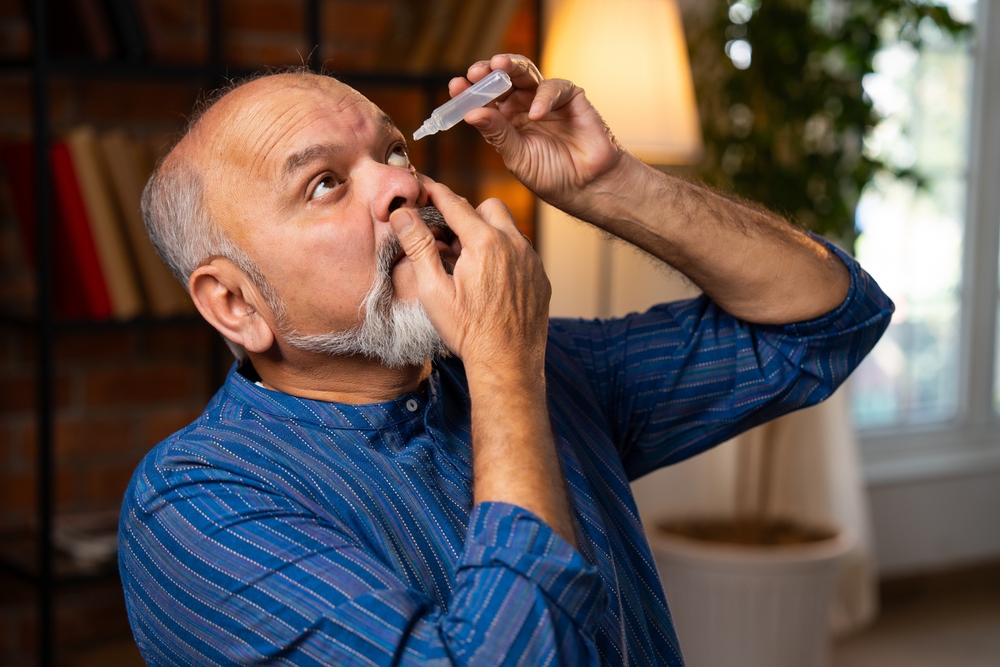
Artificial tears can provide temporary comfort when your eyes feel dry, irritated, or gritty. However, needing drops throughout the day may indicate that an underlying problem is not being addressed. At North Coast Optical, we use advanced dry eye diagnostic testing to identify what is causing your symptoms and develop a more personalized approach to relief.
Why Eye Drops May Not Be Enough
Dry eye disease can occur when your eyes do not produce enough tears, your tears evaporate too quickly, or the tear film lacks the proper balance of water and oil. Some patients also experience symptoms due to eyelid inflammation, incomplete blinking, contact lens wear, medications, or environmental conditions.
Artificial tears add moisture to the surface of the eyes, but they may not correct blocked oil glands, unstable tears, or inflammation. This is why patients can continue experiencing burning, watering, blurry vision, or eye fatigue despite trying several types of drops.
Signs You May Need a Dry Eye Evaluation
Consider scheduling advanced dry eye testing if you regularly experience:
• Burning, stinging, redness, or a gritty sensation
• Watery eyes or frequent tearing
• Vision that becomes blurry or fluctuates
• Discomfort during computer use or reading
• Light sensitivity or tired eyes
• Reduced contact lens wearing time
• The need to apply artificial tears repeatedly
These symptoms can have different causes, so an accurate diagnosis is essential before choosing treatment.
Looking Beyond the Surface of Your Eyes
Our dry eye evaluations in Madison help us measure how well your tear film functions and determine where it may be breaking down. We may evaluate tear production, tear stability, blink quality, eyelid health, inflammation, and the condition of the corneal surface.
Special dyes can reveal patterns of dryness or irritation that are not always visible during a basic examination. Tear break-up time testing shows how quickly the tear film becomes unstable after blinking. These findings help us distinguish between insufficient tear production and excessive tear evaporation.
Evaluating the Meibomian Glands
Meibomian glands inside the eyelids produce the protective oil layer of the tears. When these glands become blocked or damaged, tears can evaporate too quickly, causing ongoing dry eye symptoms.
Meibomian gland photography allows us to examine the structure and health of these glands. We can also evaluate the quality of the oils they produce. This information helps determine whether meibomian gland dysfunction is contributing to symptoms and why standard eye drops may not provide lasting relief.
Creating a More Targeted Treatment Plan
Advanced diagnostic testing gives us objective information about the type and severity of dry eye disease. Instead of relying on temporary symptom relief, we can recommend treatments based on the specific factors affecting your eyes.
Your plan may include carefully selected artificial tears, eyelid care, lifestyle adjustments, or other dry eye therapies. We can also monitor your progress over time and adjust treatment when necessary.
Contact North Coast Optical to schedule advanced dry eye diagnostic testing and take the next step toward lasting relief. Visit our office in Madison, OH, or call (440) 428-2172 to book an appointment today.
Quick Links
Helpful Articles
article_category: general
article_category: exotic
article_category: contact lenses
article_category: services
article_category: cosmetic
article_category: psychiatry
article_category: Aesthetics
article_category: eye surgery co-management
article_category: eyeglasses
article_category: surgical procedures
article_category: health
article_category: technology
article_category: dogs
article_category: restorative
article_category: large animal
article_category: products
article_category: ocular disease management
article_category: preventative
article_category: cats
article_category: eye health
article_category: conditions
article_category: FAQ & tips
[]
article_category: exotic
article_category: contact lenses
article_category: services
article_category: cosmetic
article_category: psychiatry
article_category: Aesthetics
article_category: eye surgery co-management
article_category: eyeglasses
article_category: surgical procedures
article_category: health
article_category: technology
article_category: dogs
article_category: restorative
article_category: large animal
article_category: products
article_category: ocular disease management
article_category: preventative
article_category: cats
article_category: eye health
article_category: conditions
article_category: FAQ & tips
[]
Flowbite is an open-source library of interactive components built on top of Tailwind CSS including buttons, dropdowns, modals, navbars, and more.
Check out this guide to learn how to get started and start developing websites even faster with components on top of Tailwind CSS.
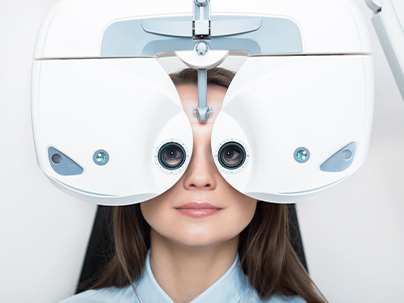
All Eyecare Services
We offer a wide variety of eye care services to the Madison community. Contact us with any questions about our services.

Keep In Touch
For non-urgent questions or to learn more about our services, contact us today!
© 2026 North Coast Optical . All rights Reserved - Accessibility Statement - Privacy Policy - Sitemap
Managed and Designed by 